AI Won't Fix a Business With Broken Processes.
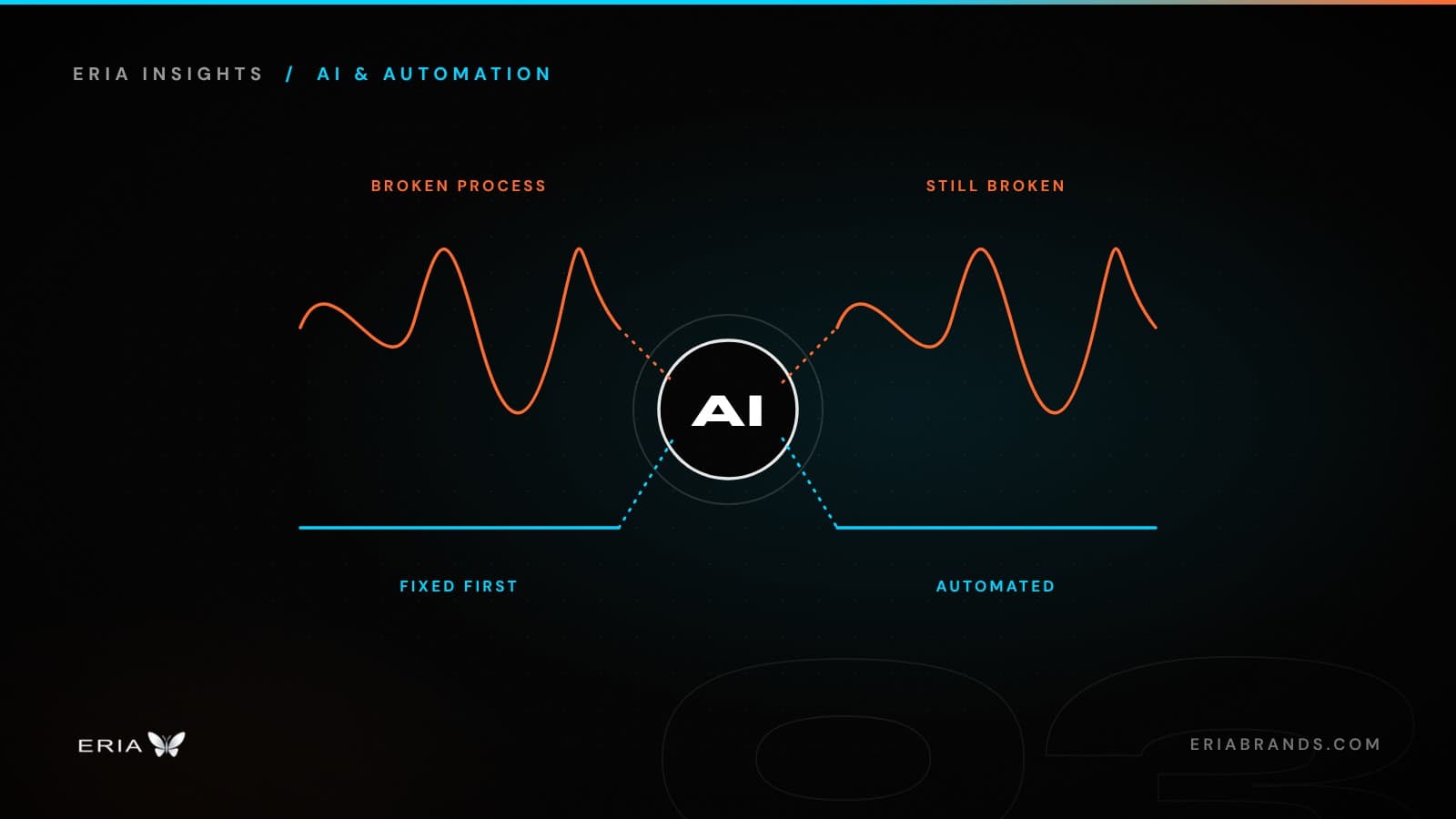
Automation can make a good process faster. It can also make a bad process fail faster. The difference starts with understanding how the business works.
By Hamza Hourri
The pressure to introduce AI
AI has become one of the first things businesses are told they need. Automate customer support. Generate leads. Replace repetitive work. Connect every department to an AI assistant.
Some of these applications can create real value. But adopting AI without understanding the underlying operation can produce a complicated system that looks impressive and solves very little.
The important question is not where can we add AI? It is where does the business lose time, consistency, or opportunity, and what is the most reliable way to improve that process?
Automation does not make a process intelligent
Imagine a business that receives customer inquiries through several channels. Nobody owns the response process, information is incomplete, and follow-ups happen inconsistently.
Adding an AI chatbot may help answer common questions, but it will not automatically fix unclear pricing, missing service information, poor lead ownership, or a slow internal approval process.
If the underlying process is broken, automation can reproduce the same problems at a higher speed. Before automating, define the desired outcome, the information required, who is responsible, and what should happen when something goes wrong.
Fix the workflow before automating it
A useful first step is to document the current process. Identify where information enters, what decisions are made, which steps are repeated, where delays occur, and where human judgment is necessary.
Then simplify the process. Remove unnecessary approvals, clarify responsibilities, standardize information, and decide what a successful outcome looks like.
Once the workflow is clear, technology can support it. Sometimes that means traditional automation. Sometimes AI is useful. Sometimes the best improvement is a clearer form, a shared dashboard, or a better internal procedure.
Where AI and automation can genuinely help
For many businesses, practical opportunities include classifying incoming inquiries, drafting responses for staff review, extracting information from documents, summarizing conversations, routing requests, preparing reports, and supporting customer service.
Traditional automation is often better for predictable steps such as sending a confirmation after a successful payment, creating a task when a form is submitted, or notifying a team when a booking changes.
AI is more useful when the task involves interpreting language, summarizing unstructured information, or generating a draft from context. It should not be used simply because it is available.
Keep people responsible for important decisions
AI systems can make mistakes, misunderstand context, or produce confident but incorrect answers. Businesses should decide which actions can happen automatically and which require human review.
Sensitive customer issues, financial decisions, exceptions, and commitments should have clear controls. Access to customer information should be limited to what is necessary, and data handling should follow applicable privacy and security requirements.
A useful implementation includes monitoring, fallback procedures, and a way for staff to correct errors. Automation should make people more effective, not remove accountability.
Measure the business outcome
A successful automation project should have a clear reason to exist. It might reduce the time required to process an inquiry, improve response consistency, reduce repetitive data entry, or make reporting more reliable.
Measure the current process before implementation, then compare it with the new process. Consider setup and maintenance costs, software usage, staff training, error rates, and the time required for human review.
Do not measure success by the number of AI features launched. Measure whether the business is operating better.
Technology should serve the operation
The objective should not be to introduce AI into every part of a business. It should be to identify where intelligent technology can genuinely improve the way the business operates.
Sometimes the right solution is AI. Sometimes it is a simple automated workflow. Sometimes the business needs to fix the process first.
At Eria, we approach AI and automation as part of a wider business system. We start with the problem, understand the workflow, and then choose the technology that makes practical sense.
ERIA / BRAND & DIGITAL TRANSFORMATION
Building brands and digital experiences that move businesses forward.
RELATED ARTICLES
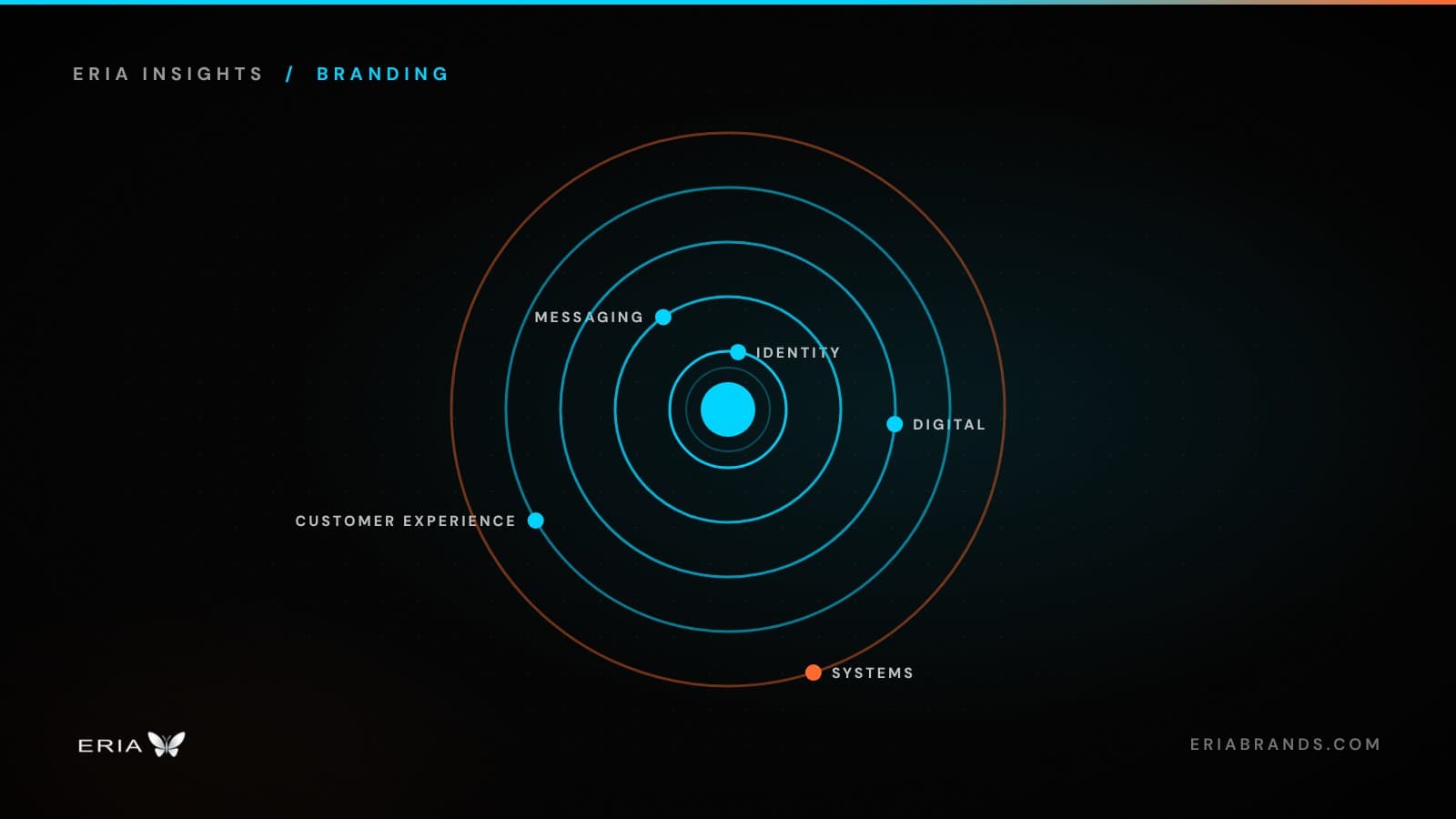
Branding Is Not Just a Logo. It’s the Entire Customer Experience.
A brand is not what people see. It's what they experience, remember, and associate with your business.
READ INSIGHT →
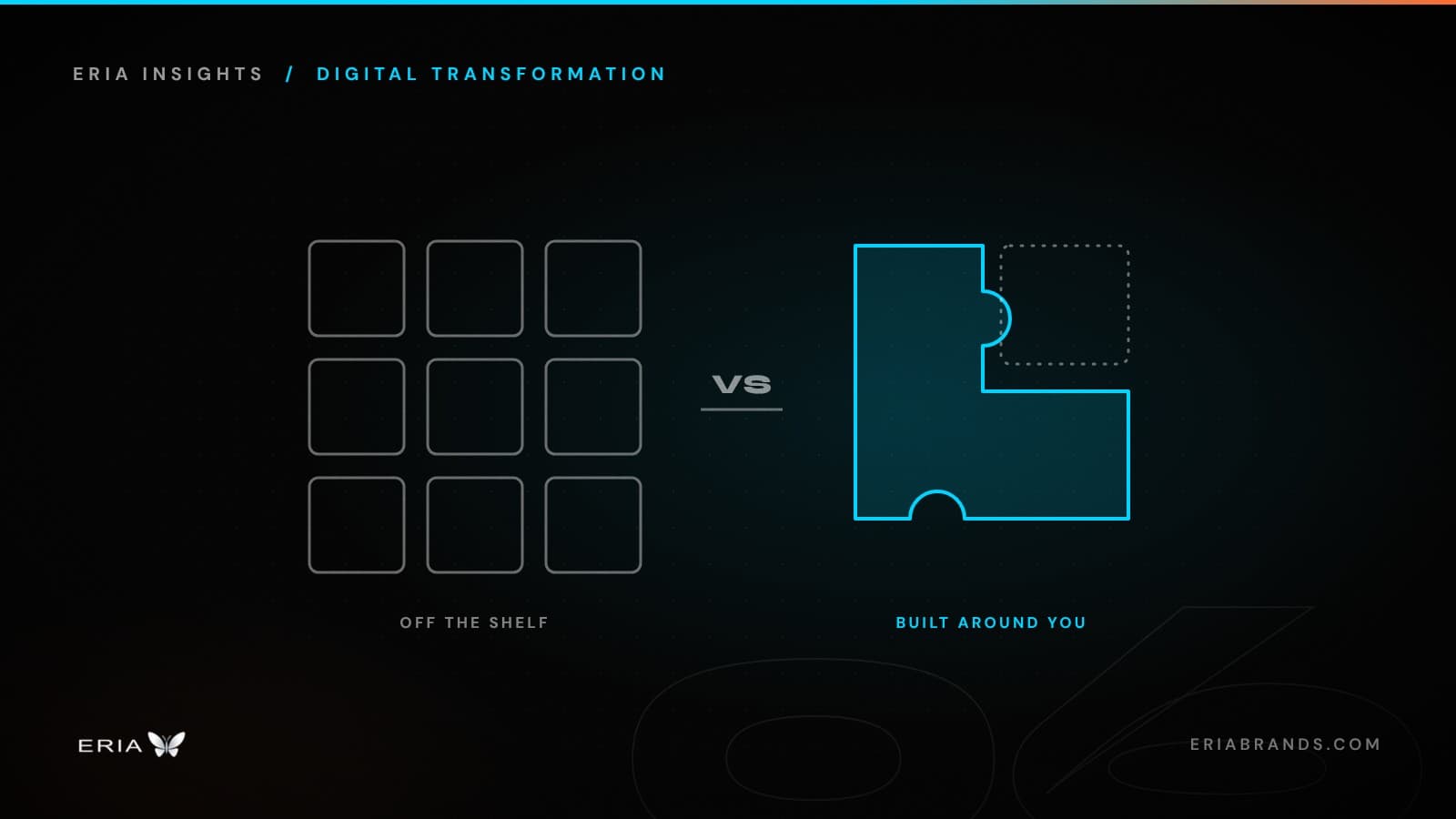
Custom Software vs. Off-the-Shelf Solutions: When Does Your Business Need Its Own System?
Custom software is not automatically the better choice. The right decision depends on your workflows, constraints, costs, and plans for growth.
READ INSIGHT →
BUILD WITH ERIA
Have A Project In Mind?
If you're considering AI or automation, let's identify the operational problem first and determine where technology can make a measurable difference.